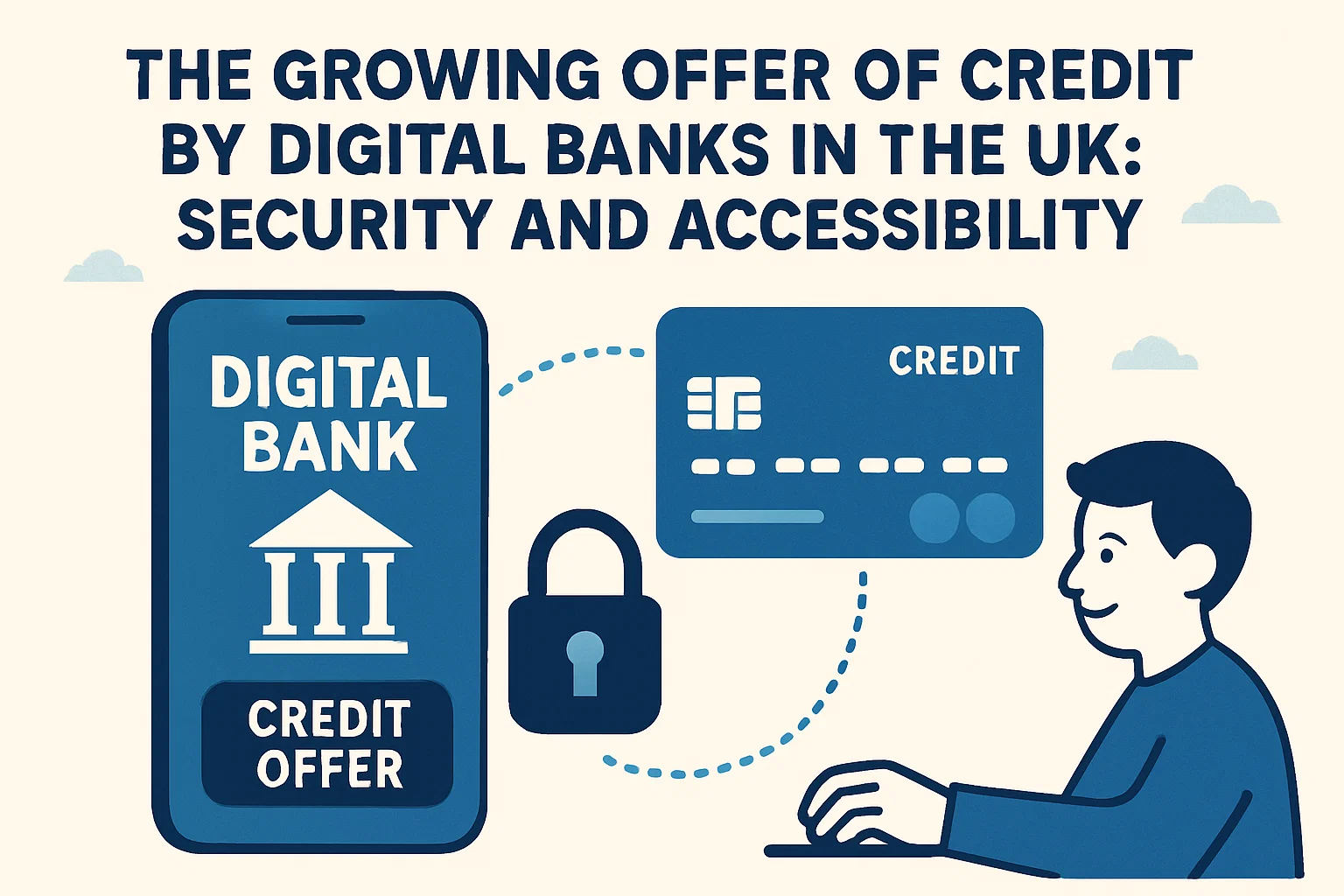
In 2026, the financial landscape of the U.S. has evolved significantly, and the realm of personal loans is a prime example. The concept of a loan has adapted to reflect new consumer behaviours, driven by the blending of technology and shifting economic priorities. These changes have influenced interest rates, accessibility, and consumer expectations, painting a fresh picture of borrowing in America today.
changing behaviours and their impact on rates
In recent years, there has been a noticeable shift in how people approach borrowing. This transformation is largely driven by the rise of digital platforms and the demand for convenience. Online lenders have disrupted traditional banking methods, offering quicker approval times and more personalised experiences.
The ease of obtaining money online has encouraged a broader audience to consider these options, increasing the market’s competitive nature. As a result, interest rates have become more flexible, with competitive offers available for those with good credit, while providing valuable incentives for first-time borrowers.
Moreover, enhanced data analytics allow financial institutions to assess creditworthiness with greater precision. They can now tailor interest rates to an individual’s financial history and spending habits, providing a more equitable borrowing landscape. This personalised approach incentivises responsible borrowing and ensures that rates accurately reflect an individual’s credit risk, ultimately benefiting both the lender and the borrower.
evolving expectations and digital integration
Not only has technology influenced how people access financial resources, but it has also reshaped what they expect from the process. This digital integration has raised the bar for customer experience, pushing traditional lenders to innovate to keep up with their online counterparts. Consumers now demand seamless interactions, swift response times, and transparency throughout their borrowing journey.
Emphasising user-friendly apps, real-time updates, and comprehensive support systems, financiers have embraced technology to meet these expectations. Consequently, borrowers have become more informed and empowered, exploring different offers to secure the best terms.
looking ahead: the future of borrowing
As the borrowing landscape continues to evolve, financial institutions remain focused on adapting to consumers’ needs. We can anticipate further advancements in AI-driven lending, augmenting the granularity of risk assessments and offering even more personalised rates. This evolution allows lenders to extend opportunities to a broader audience, ultimately fostering a more inclusive economy where financial products are tailored to a diverse range of consumers.
In conclusion, the transformation of personal loans in the U.S. reflects an exciting era of financial innovation. As behaviours continue to evolve, rates will likely become increasingly dynamic, adapting to a consumer base that values flexibility, accessibility, and transparency.
👉 Also read: Healthcare Loans in the United Kingdom: Planning Without Compromising Income