
In today’s financial landscape, understanding the importance of credit in the UK is crucial. Your creditworthiness, reflected in your credit score, can significantly impact your ability to secure loans, mortgages, and even favourable insurance premiums.
Maintaining a good score is more than just a number; it’s about building trust with financial institutions. Whether you’re starting from scratch or looking to improve an existing score, the strategies and insights shared in this blog will guide you in achieving your credit goals effectively.
Building your credit score
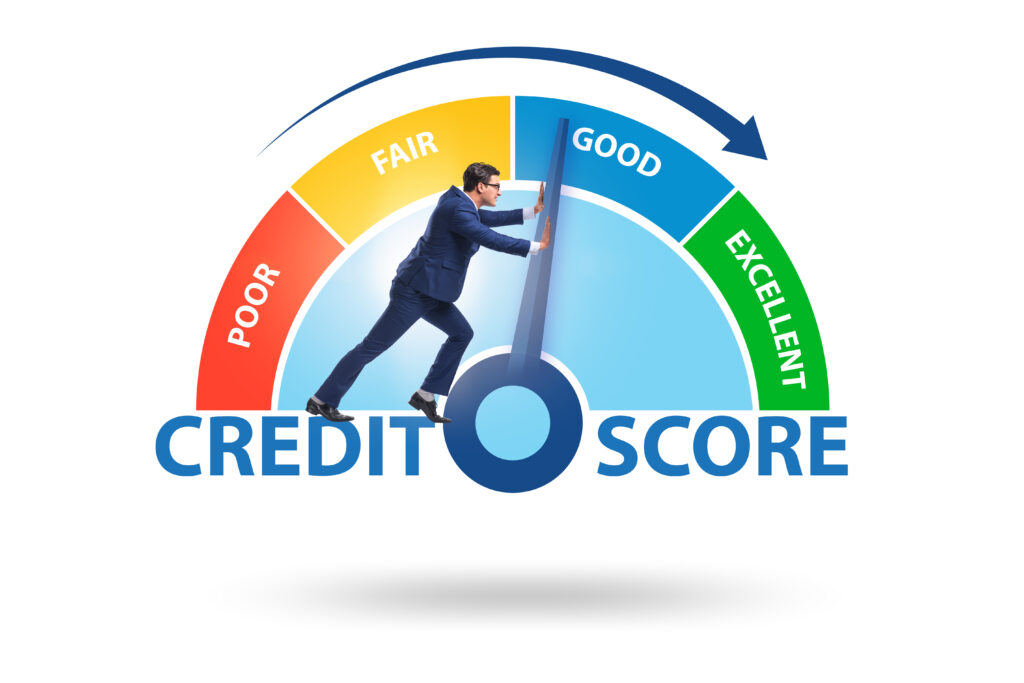
Building a strong credit profile begins with understanding how scores are calculated. In the UK, agencies like Experian, Equifax, and TransUnion monitor your credit activity. Payment history, the amount owed, the length of credit history, new credit accounts, and types of credit used are key factors that contribute to your score. To start on the right foot, consider opening a basic credit account such as a credit card.
Establishing a diverse mix of credit types positively influences your score over time. For instance, responsibly managing both an instalment loan and revolving credit demonstrates adaptability to different lending conditions. It’s also advisable to limit applications for new credit accounts within a short period; multiple applications can signal financial distress and subsequently lower your rating.
Understanding credit cards
Credit cards play a pivotal role in shaping your financial profile. They serve as a convenient tool for day-to-day purchases while potentially benefiting your credit rating if managed wisely. It’s crucial to understand the terms and conditions of each card, including interest rates, fees, and rewards programs, as these can vary significantly among providers. Opt for a card with benefits that align with your spending habits to maximise rewards while ensuring you’re financially prepared to clear the balance each month.
Mismanagement, such as missing payments or maxing out limits, presents the risk of damaging your score and incurring hefty interest charges. A useful strategy is to set up direct debits for at least the minimum payment amount, ensuring timely bill settlement and preventing late-payment penalties. Monitoring your spending through monthly statements can offer transparency in your financial behaviours, allowing you to identify and adjust any habits that might be detrimental.
Loans and their impact
Loans are another major factor influencing your credit profile, providing opportunities to demonstrate longer-term financial management. Personal loans, auto financing, or mortgages, if managed well, can significantly enhance your credit standing. The act of taking a loan and consistently making on-time payments reflects positively, indicating reliability over extended timeframes.
It is vital, however, to understand the implications of missed payments or defaulting on a loan, as these can have lasting detrimental effects on your score. Before applying for any loan, carefully assess your financial situation to ensure you’re capable of meeting repayment requirements comfortably. Reading through loan agreements thoroughly will prevent unforeseen challenges and help you make informed decisions.
Maintaining a healthy credit score
Maintaining a high credit score in the UK requires continued diligence and strategic financial habits. Regularly reviewing your credit report ensures the information listed is accurate, providing an opportunity to correct any errors that could negatively affect your standing. UK residents are entitled to a free annual report from each of the big three credit reference agencies.
It’s also critical to manage debt wisely. Pay down current debt before incurring new obligations, as high outstanding amounts may signal financial instability to potential lenders. Developing a realistic budget aids in maintaining control over expenditures, ensuring you live within your means while reserving funds for debt repayment.
Dealing with negative records
Unfortunately, life circumstances can lead to negative records on your credit report, such as late payments or defaults, potentially impacting your credit journey. Addressing these blemishes requires targeted steps to mitigate their impact while gradually rebuilding trust with creditors. A good starting point is prioritising the settlement of outstanding debts; this shows a commitment to rectifying past issues and encourages a positive outlook from lenders.
Communicating with your creditors is equally important. Requesting a goodwill adjustment or negotiating a “pay for delete” agreement may result in the removal of some negative entries, though success varies depending on the creditor and circumstances. Consistent efforts to manage current financial commitments can gradually outweigh past discrepancies, enabling your score to recover over time.
Best practices for long-term success
Achieving long-term success in maintaining a high credit profile in the UK revolves around practising good financial habits consistently. This starts with understanding the basic principles of credit and the factors that influence your score. A proactive approach involves regular checks of your credit report to catch errors early and address any areas that need improvement.
Budgeting is another critical practice for preserving a healthy credit score. Keeping track of your income, expenses, savings, and investments controls your spending and prevents over-reliance on credit resources. Prioritising debt repayment allows you to free up credit and reduce the risk of defaults, thus maintaining a positive relationship with lenders.